I. Who Was Themis?
Themis was the Titaness of divine law, natural order, and custom — the force that ensured the cosmos operated according to right and proper rules. She represented not human-made laws but the deeper, unwritten laws of nature and the universe: the turning of the seasons, the proper behavior of host and guest, the sacred bonds of oath and prophecy. Her name literally means "that which is established" or "divine law."
Themis was Zeus's second wife (after Metis) and his most trusted counselor. She sat beside his throne on Olympus and advised him on matters of cosmic justice. Together they produced the Horae (Seasons) — Eunomia (Good Order), Dike (Justice), and Eirene (Peace) — and the Moirai (Fates) — Clotho, Lachesis, and Atropos — who spun, measured, and cut the thread of every mortal life.
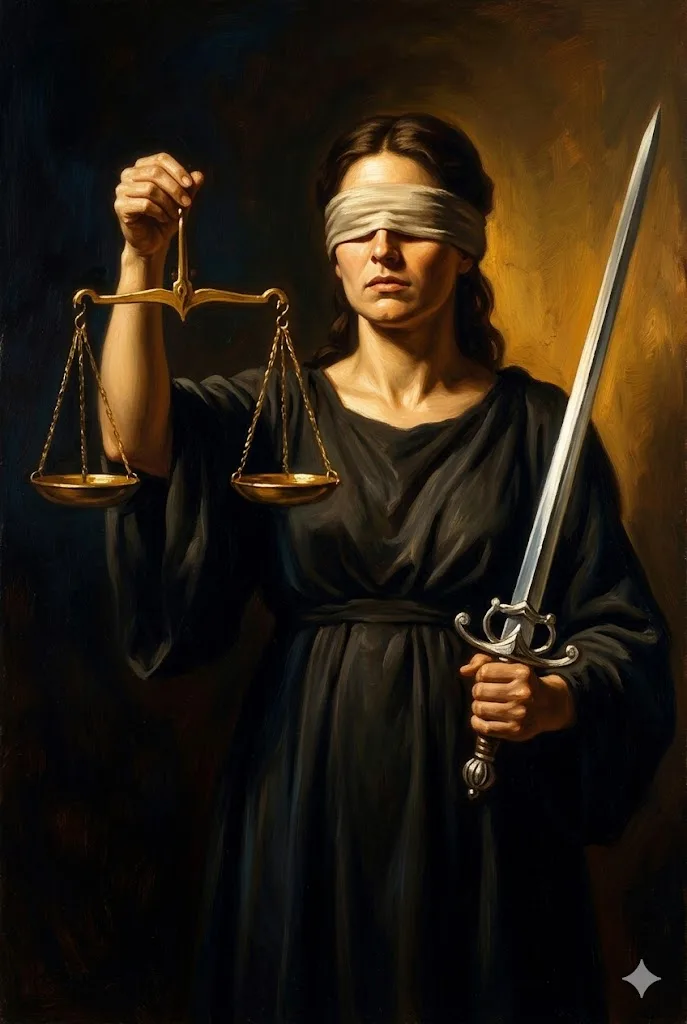
Before Apollo claimed the Oracle at Delphi, it belonged to Themis. She was the second deity to hold the prophetic shrine (after her mother Gaea), and she passed it to her sister Phoebe, who in turn gave it to Apollo. This lineage means that Greek prophecy itself traced its origins to the Titan goddess of divine order. In art, Themis is depicted blindfolded, holding scales — an image that became the universal symbol of justice still used in courtrooms worldwide.
Classical Sources
The mythology of Themis is preserved in:
- 📜 Hesiod, Theogony (c. 700 BC) — The primary source for Titan mythology, genealogy, and the Titanomachy.
- 📜 Apollodorus, Bibliotheca (c. 1st–2nd century AD) — Comprehensive handbook of Titan genealogies and myths.
- 📜 Aeschylus, Prometheus Bound (c. 5th century BC) — Dramatic portrayal of Titan defiance against Olympian authority.
- 📜 Ovid, Metamorphoses (8 AD) — Roman accounts of Titan mythology and transformations.
Cross-referenced with multiple classical sources for accuracy.
Explore More Mythology
Get weekly deep dives into the gods, heroes, and myths of ancient Greece.